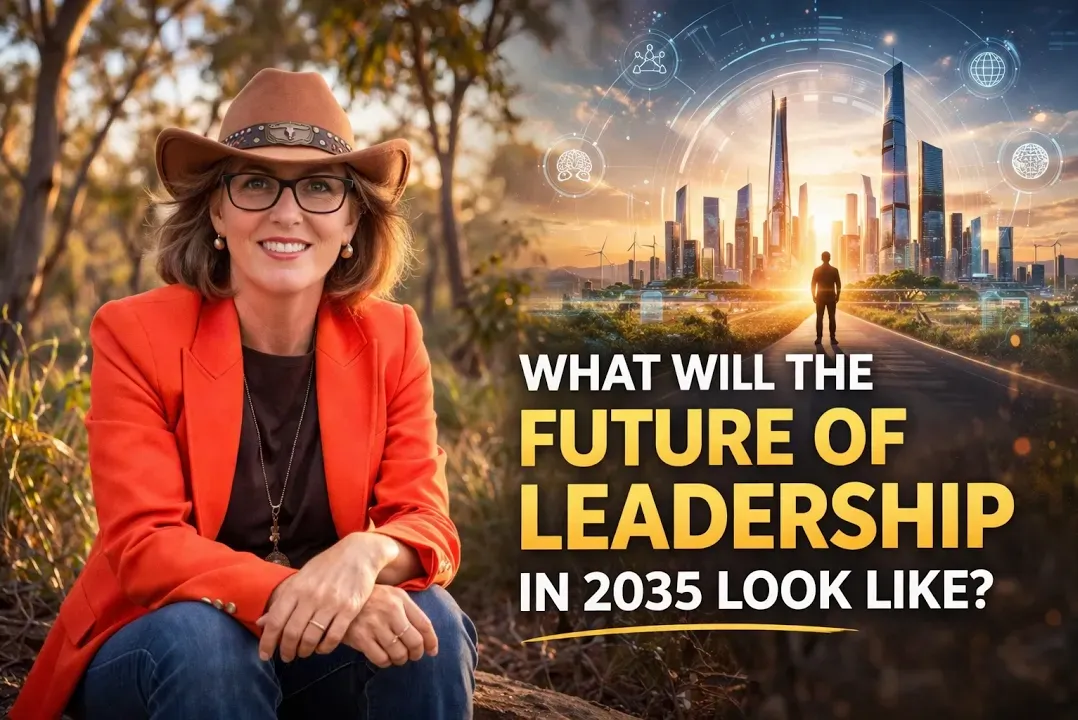
The Future of Work Will Not Belong to the Smartest Companies
The Future of Work Will Not Belong to the Smartest Companies
It Will Belong to the Safest Ones.
For the last 30 years, most organisations have been obsessed with the same things:
IQ. Experience. Performance. Dominance. Speed. Scale.
But every day I see something that is bubbling beneath the surface of modern work and it makes my heart heavy. Burnout is rising. Trust is collapsing. Disengagement is normalised. And some leaders are quietly drowning while pretending everything is “fine.”
We are entering an era where the old leadership model - command, control, compete, outperform - is becoming dangerously outdated. The future workplace will not be won by organisations with the smartest people.
Instead, it will be won by organisations with:
the healthiest human systems
the safest cultures
the most adaptive teams
the most emotionally mature leadership
the strongest trust ecosystems
the deepest sense of belonging
The companies that survive the next decade will understand one uncomfortable truth:Culture is no longer a soft issue and unhealthy human systems are now a commercial risk.
We already know psychologically safe teams outperform fearful ones. Research continues to show that trust, norm clarity, and emotional safety directly influence performance, adaptability, and innovation.
Yet many workplaces still reward emotional suppression, overwork, fear-based management and burnout disguised as ambition or commitment.
The irony? AI is accelerating this truth.
Because as artificial intelligence becomes more capable, the human differentiators become more valuable - not less. We need more people at work with empathy, trust and adaptability.
Many leadership researchers are now pointing toward the same pattern:
adaptive leadership
emotionally intelligent leadership
psychologically safe teams
human-led, AI-enabled workplaces
empathy as strategic capability
resilience through connection and trust
In other words: The future of work is becoming profoundly human again.
But here is the controversial part.
Many organisations will fail not because they lacked intelligence…but because they lacked nervous system health.They built cultures of chronic pressure instead of sustainable performance. They hired high achievers but ignored emotional maturity. They promoted technical brilliance over relational intelligence. They confused intimidation with leadership. And they created environments where people became psychologically unsafe, emotionally exhausted, and disconnected from their work.
This is why I believe a new era of Steward Eldership matters. Because Steward Elders understand something traditional leadership models often miss – that their organisation is not a machine but a living ecosystem. These stewards don’t as “How smart are your people?” they check in on how safe it is for people to tell the truth at work.
The old model produced burnout. The next model must produce belonging.
The old model extracted. The next model must regenerate.
The old model idolised power. The next model will reward presence.
And perhaps the greatest irony of all?
The future may belong not to the leaders who know the most…but to the leaders mature enough to realise leadership was never about them in the first place.
Would love to know your thoughts on this one.
