How We Care for Those Who’ve Walked Before Us
How We Care for Those Who’ve Walked Before Us
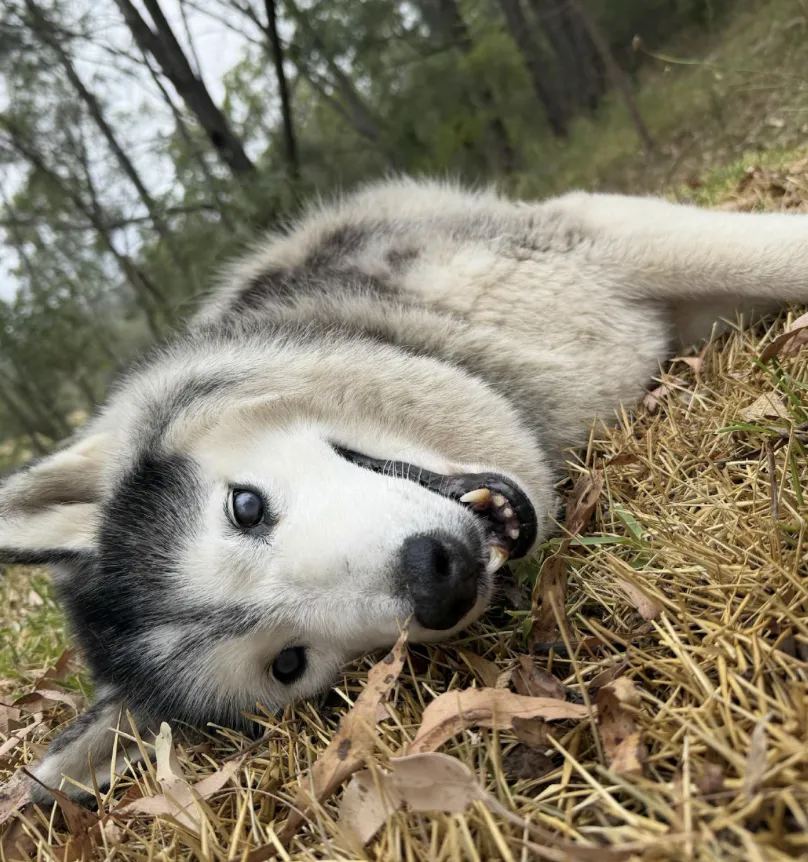
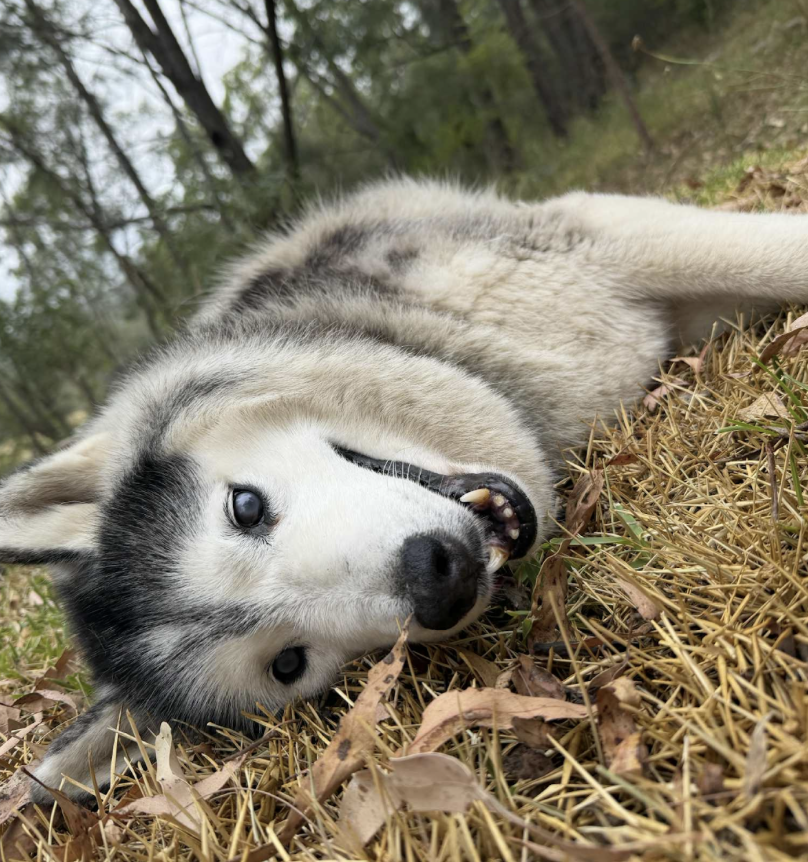
I took our dog Sasha for a walk and realised there’s something deeply grounding about being with a senior dog.
They move more slowly now.
They feel the heat more intensely.
They rest more often - not always because they’re weak, but because their bodies are wise enough to know when to pause and rest.
Watching an older dog lie on the grass, choosing comfort over stimulation, quietly reminds us of something our modern systems often forget:experience deserves care, not pressure.
And this is where Steward Eldership begins.
Experience isn’t something to extract. It’s something to protect.
In many workplaces and communities, our most experienced people carry decades of knowledge, perspective, and emotional intelligence. Yet too often, they’re expected to keep pace with systems designed for earlier stages of life.
Steward Eldership invites a different question.
Not“How much more can we get from you?”
But“How do we support you now?”
Just as we wouldn’t expect a senior dog to sprint in the midday heat, stewardship asks us to notice when someone needs shade, flexibility, or simply permission to rest.
Slowing down is not decline. It’s dignity.
There is grief in watching ageing - whether it’s a beloved pet, a parent, a mentor, or a long-standing leader. But there is also beauty.
A senior dog doesn’t stop being valuable when they stop running. Their presence becomes the gift. Their calm, their loyalty, their quiet companionship.
The same is true for experienced people in our lives.
Their value isn’t in constant output.
It’s in perspective.
In pattern recognition.
In knowing when to speak - and when not to.
Steward Eldership honours this shift rather than resisting it.
Care is a form of leadership.
Providing tools and space for rest isn’t indulgent. It’s responsible.
In workplaces, this might look like:
Flexible roles that prioritise wisdom over speed
Reduced cognitive load rather than constant change
Opportunities to mentor without burning out
Respect for rhythms, not relentless urgency
In families and communities, it looks like patience. Listening. Letting someone move at their own pace without rushing them to “keep up”.
This is leadership grounded in care, not control.
Focus is on presence, not just productivity.
Steward Eldership reminds us that how we care for those who have walked before us says everything about the culture we are creating for those who will come after.
And maybe the most powerful thing we can do is simply:
slow down,
notice,
and make space.
Because the future doesn’t only belong to the youngest or the tech savviest. It also belongs to those who can see further because they’ve walked longer. Be wise. Let them walk beside each other.
And when you need it, I'm here to walk beside you too.
- AJ
